
- You are here:
- Home
- Success Stories
- How Widgit supports play, learning and care at Symbol-Friendly® Flying Start Luton
How Widgit supports play, learning and care at Symbol-Friendly® Flying Start Luton
Creating welcoming environments where children and families can communicate, participate and feel understood
Empowering parents and carers to give their children the best start in life, Flying Start Luton is a new addition to Widgit’s Symbol-Friendly network, delivering valuable support within the community. From children with SEND or English as an additional language, to families in need of extra support, we spoke to Senior Community Link Worker Sara Coombs on how Widgit helps make this early intervention program more accessible than ever before.


How have you integrated Widgit into your day-to-day activities at Flying Start?
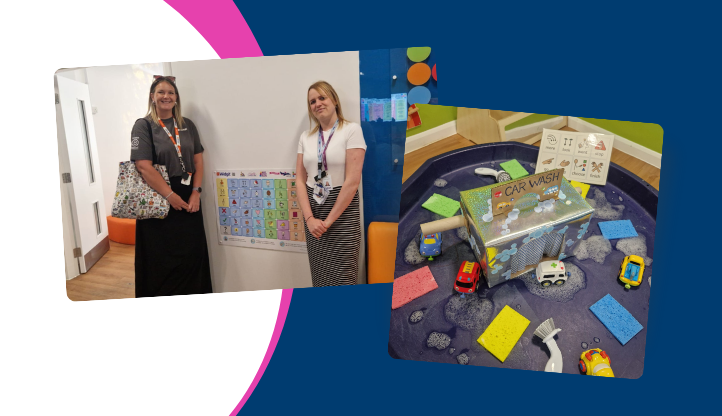
We have started to integrate Widgit Symbols into our day-to-day practice across our sites and community spaces. One of the main ways we use them is through visual timetables, which help children and families understand the structure of sessions and what’s coming next. Staff have also created symbol lanyards, giving them quick and easy access to key symbols when working with families, both within our venues and out in the community. This means we always have an accessible communication tool available when it is needed.
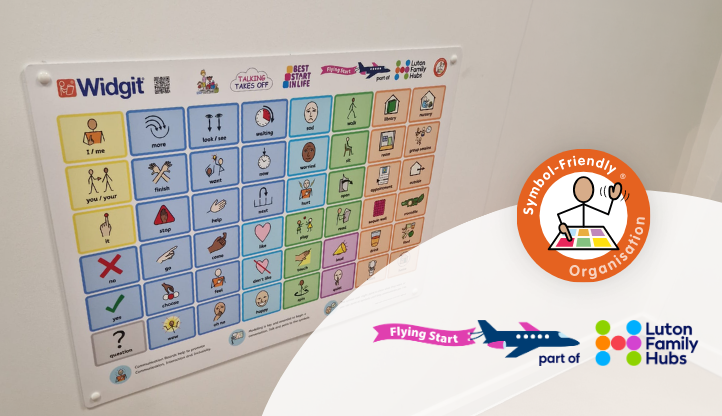
More recently, we have had Widgit Communication Boards installed across our Family Hub venues. These are being used to support families accessing our sites and sessions by providing a simple visual way to communicate.
Since using Widgit, have your noticed improved engagement among your community?
We’ve noticed improvements in engagement and participation since embedding Widgit into our targeted sessions. Widgit Symbols are now an important part of both our Little Talkers programme, which supports communication development, and our Little Treasures sessions for children with emerging developmental needs.
Families are introduced to the symbols in the first week of each five-week programme, and they are used throughout sessions to show the timetable and support transitions between activities. We have observed that after just a few sessions, many children begin to actively engage with the symbols, often taking them from staff to look at and explore independently.
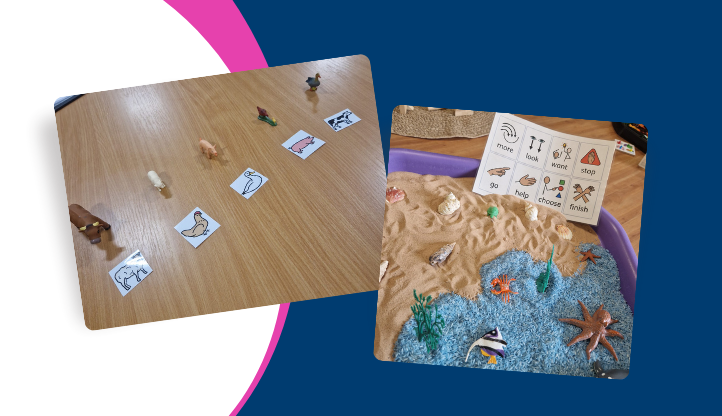
We have found that learning and understanding are further supported when symbols are paired with the objects they represent; for example, using a ‘tidy up’ symbol alongside the tidy-up box as this helps children understand expectations and supports smoother transitions between activities.
One particularly positive example is during song time, where symbols are used alongside objects of reference to allow children to choose which song they would like to sing. This has created meaningful opportunities for communication, encouraged participation, and enabled children to make choices and express their preferences more confidently.
Can you share any innovative ways you have used Widgit Symbols to support specific areas of learning?
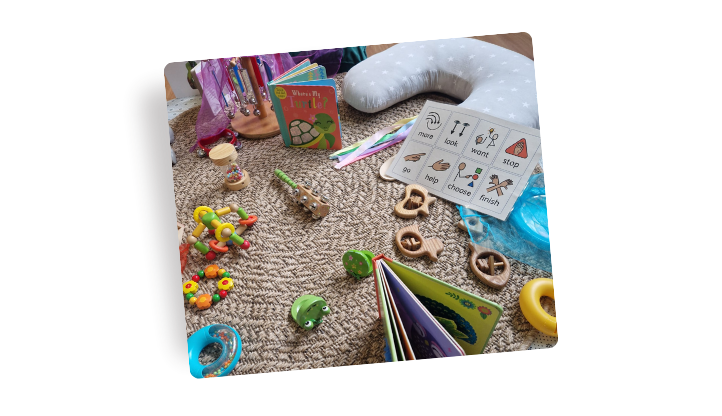
One way we have begun to use Widgit Symbols is by introducing activity boards into some of our sessions. These boards use symbols alongside key words and simple prompts linked to the activity, helping to support communication and learning through play.
We have found that they work well when parents use them alongside their children. The symbols help give parents ideas of the language they can use while playing and encourage them to talk about what their child is doing. We’ve also found that the activity boards help families feel more confident joining in with activities, which in turn create more opportunities for conversations and learning during play.
What made you want to become a Symbol-Friendly Organisation?
We wanted to become a Symbol-Friendly Organisation because we recognised the need to make communication more accessible and inclusive for all families in Luton. With more than 150 languages spoken across the town, many families use English as an additional language, which can make everyday communication more challenging. At the same time, we are seeing an increase in the number of children who require speech, language and communication support, including many children with SEND needs who benefit from visual and symbol-supported communication. Becoming symbol-friendly aligned with our plans to work together to create an inclusive space for families and to support access and engagement with services.
Would you recommend Widgit to other organisations, and why?
We would recommend Widgit to other organisations as using symbols to promote inclusion provides a shared method of communication that can be understood by a wide range of people. They also help break down communication barriers and support those who may otherwise find it difficult to understand information or express themselves. Widgit Symbols are simple to use, adaptable to different settings, and have become a valuable part of our practice.
Lastly, what’s your favourite Widgit Symbol?
Bubbles is one of my favourite symbols and one that gets the children most excited. As soon as they see it, they know what's coming next!
Want to become a Symbol-Friendly® Organisation?
20% of the UK population experience communication difficulties at some point in their lives. Widgit are helping organisations to empower their customers to overcome these barriers in a socially responsible and compassionate way.
Next Success Story – Discovery awaits with Symbol-Friendly® PGL’s SEND Inclusive Adventure programme