- You are here:
- Home
- Support
- Widgit Online
- Videos
 Widgit Online
Contact Widgit
Email: support@widgit.com
Tel: 01926 333680
Video Tutorials
Setting Up and Managing Your Group Account
 3:33
3:33Creating an Account
Learn how to activate your licence key and create a new Widgit Online account.
 4:19
4:19Adding Members to Your Group Account
Learn how to add new members and assign different roles within your Group Account.
 2:47
2:47 Managing Members in Your Group Account
See how to update member roles and manage access within your Group Account.
 2:51
2:51Transferring Members to Another Account
Learn how to transfer members from your Group Account to another existing account.
 4:04
4:04Importing and Updating Members in Bulk
Learn how to add and update multiple members at once using the Bulk Import and Bulk Update options.
 2:09
2:09 Setting Permissions for Direct Links
See how to configure permissions for Direct Links which allow users in your account to easily share their resources with others.
 2:46
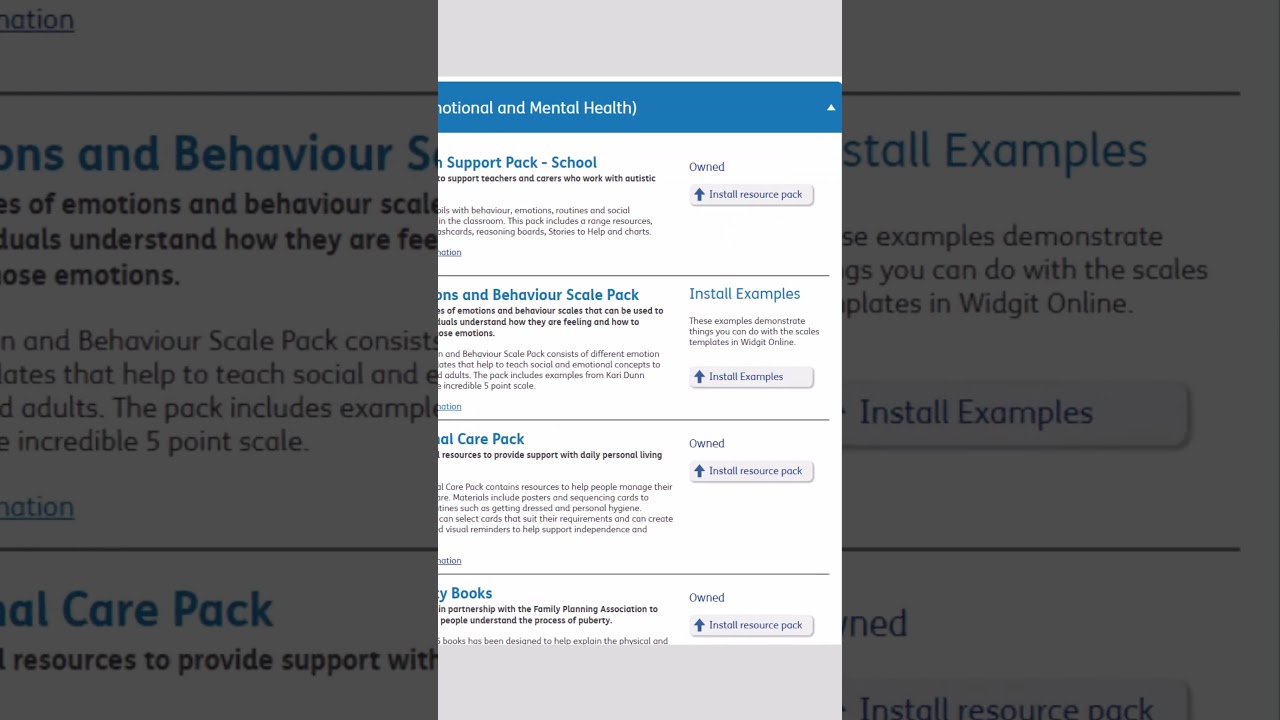
2:46 Installing Ready-Made Resources
Discover where to find ready-made resources and how to install them into your personal or shared folders.
 3:44
3:44 Using Shared Folders
Set up shared folders to enable your team to create, save and share resources in a central location.
 2:32
2:32 Using Shared Templates
Shared templates can be made available to everyone in your account, helping to ensure consistent design and layout across your resources.
 3:01
3:01 Creating and Managing Wordlists
Wordlists can help ensure consistent symbolisation of your teams resources.
 1:23
1:23 Update Your Login Details
Learn how to update your Widgit Online login details, including changing your email address and password.
 1:57
1:57 Enable and Manage Multi-Factor Authentication
Learn how to set up multi-factor authentication in Widgit Online to add an extra layer of security to your account.
Creating Resources
 7:00
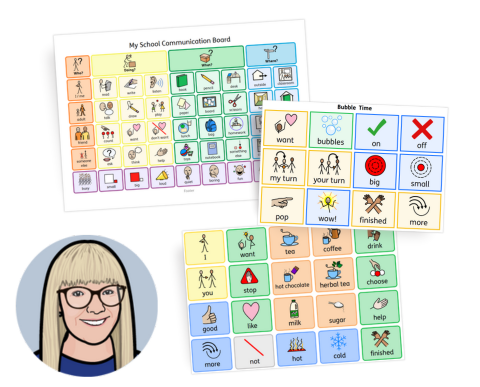
7:00 Communication Board Series
Rebecca Lynch, Symbol and Education Specialist, shares guidance on making Communication Boards work for different users and settings.
 2:48
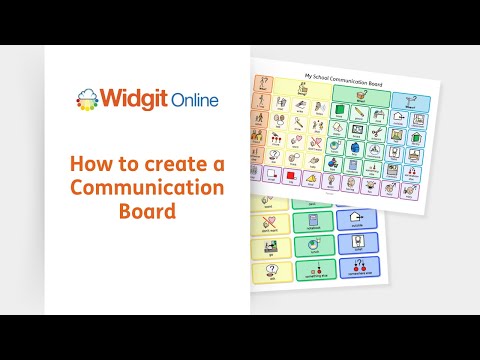
2:48 Create a Standard Communication Board
This video walks you through two ways to create a Communication Board – using a ready-made template or building one from scratch.
 3:32
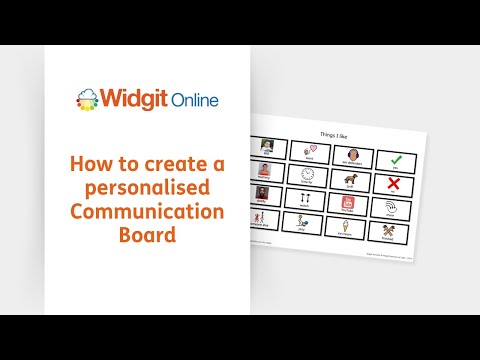
3:32 Create a Personalised Communication Board
Learn how to tailor Communication Boards to reflect individual interests and needs, from adding personal photos to changing symbol colours and using the Web Image Library tool.
 1:51
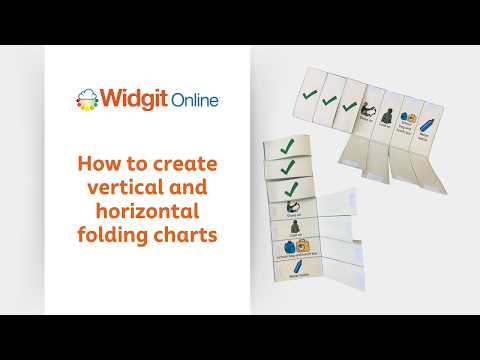
1:51 Create Vertical and Horizontal Folding Charts
A step-by-step tutorial on creating vertical and horizontal folding charts. See where to find the templates and how to customise them to suit your needs.
 1:56
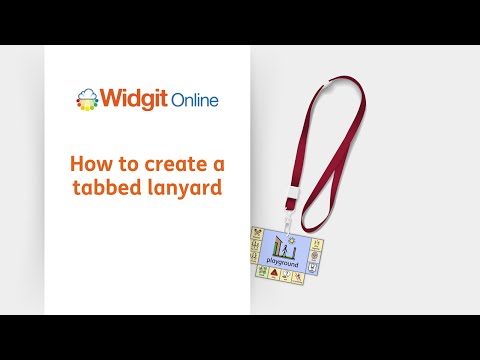
1:56 Create a Tabbed Lanyard
Follow this quick tutorial to build a symbol-supported tabbed lanyard in Widgit Online, ideal for daily routines, outdoor activities or classroom use.
 1:35
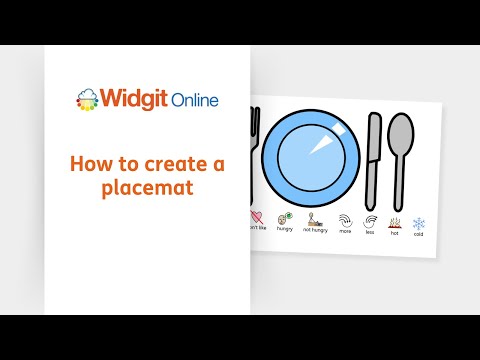
1:35 Create a Placemat
Learn how to build a symbol-supported placemat from scratch, drag and drop symbols, add vocabulary and print it for home, school or care use.
 6:36
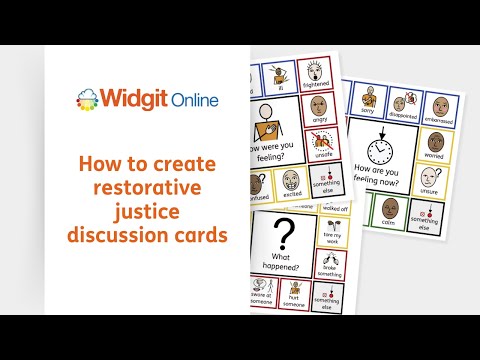
6:36 Create Restorative Justice Discussion Cards
Create your own symbol-supported restorative justice discussion cards. Add your own prompts, tailor the language and support calmer conversations.
 1:14
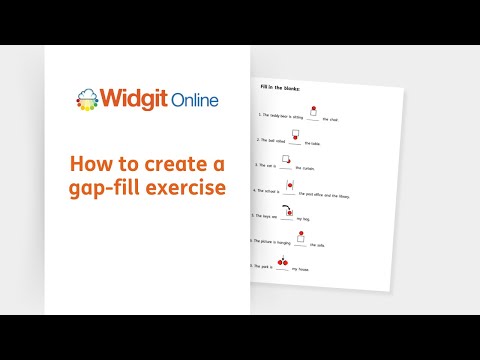
1:14 Create a Gap-Fill Exercise
Learn how to create a gap fill exercise in Widgit Online. This video shows how to add gaps within sentences and include visual clues to support learners as they complete the activity.
 2:31
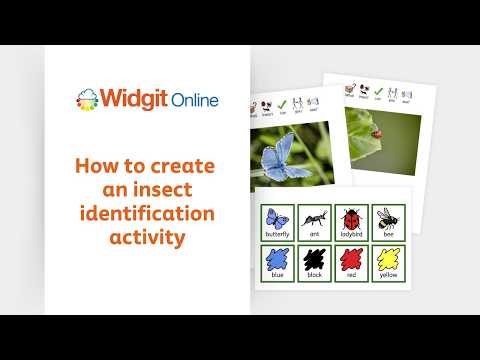
2:31 Create an Insect Identification Activity
This video shows how to combine photographs, symbols and colour clues to encourage observation, vocabulary development and discussion.
 2:09
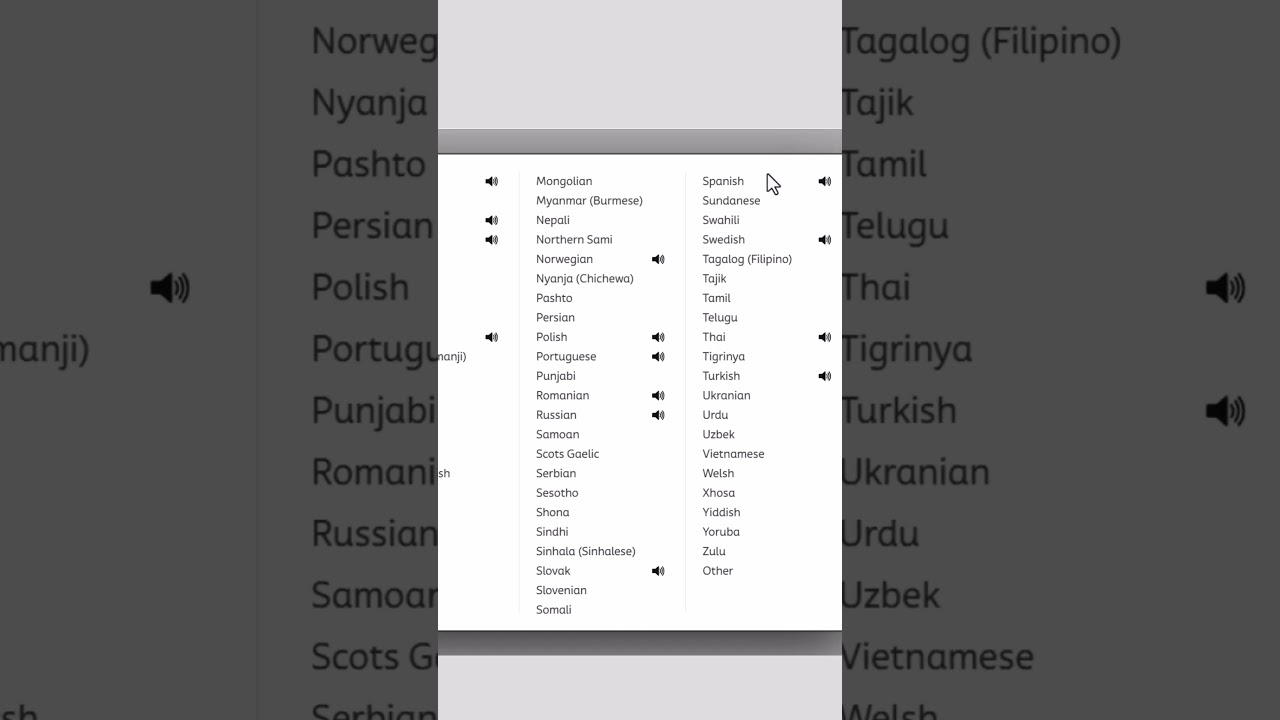
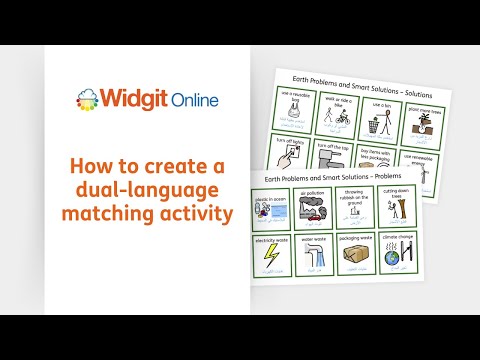
2:09 Create a Dual-Language Matching Activity
Learn how to create a bilingual matching activity in Widgit Online. This video shows how to combine symbols and translated vocabulary to create an engaging matching activity.
Quick Tips